Press Alt+1 for screen-reader mode, Alt+0 to cancelAccessibility Screen-Reader Guide, Feedback, and Issue Reporting | New window

Request Box Lunch Seminar

Inpro's CEUs are available for you to request to help you and your teams gain insight into the industry's most common issues, needs and considerations. Request one (or more) of the below courses and one of our highly knowledgeable presenters will contact you to schedule a time that works for you and your team.

Request Form

Box Lunch Seminar - 1

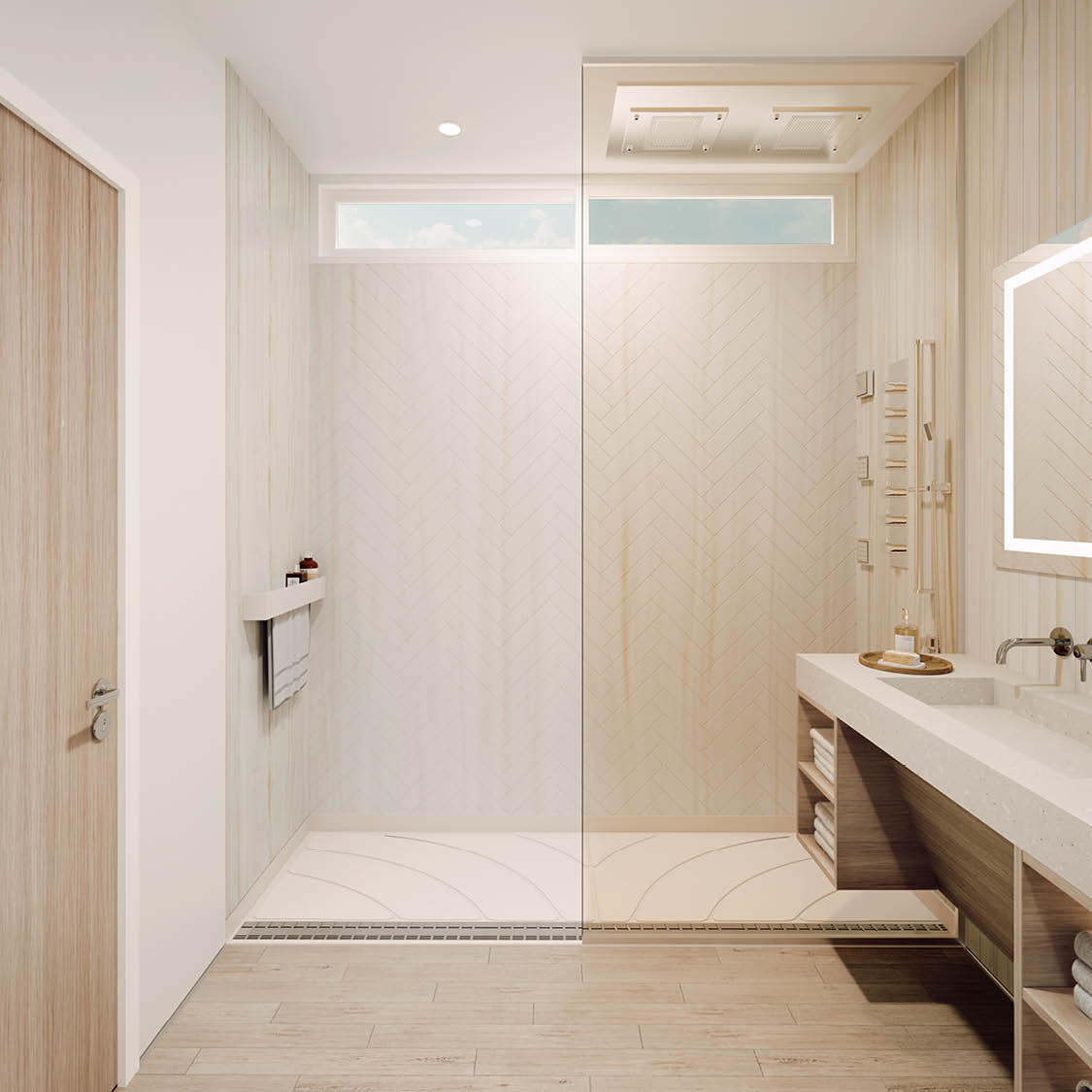
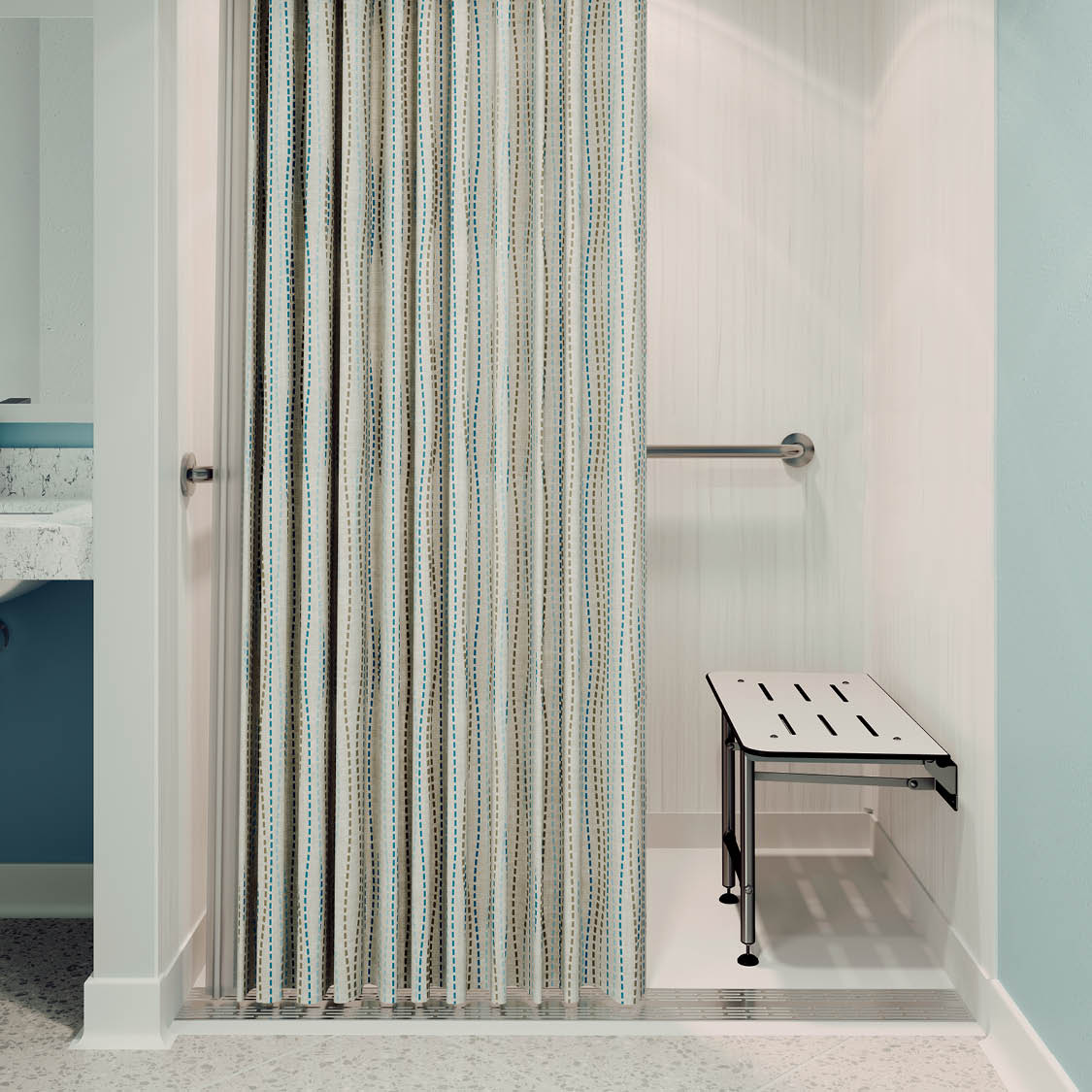
Designing ADA-compliant Commercial Showers & Bathrooms

AIA/CES Provider Program # Inpro3500 - 1 LU/HSW
IDCEC Provider Program CEU-114997-R1 - 0.1 CEU-HSW-Barrier Free


Google the phrase “washroom design trends” and you get results that include – functional design, ADA compliance, low-maintenance materials, privacy, transgender accommodation and warm, high-end feel.
This course focuses on commercial washroom and bathroom design, including disability accommodation; bather/use privacy; the problems of mold, mildew and hygiene; and solid surface as a material alternative to help keep bathrooms and showers cleaner.

Learning Objectives

  1. Discover the three key design trends driving bathroom design and renovation.
  2. Integrate accommodation and universal design principles to commercial washroom and shower design.
  3. Explain the key challenges faced in bathroom design regarding accommodation,
  4. privacy the fight against mold, and the cleanliness and hygiene in the space.
  5. Master the characteristics of solid surface as a material choice for both new construction or renovation of washrooms.

Box Lunch Seminar - 2

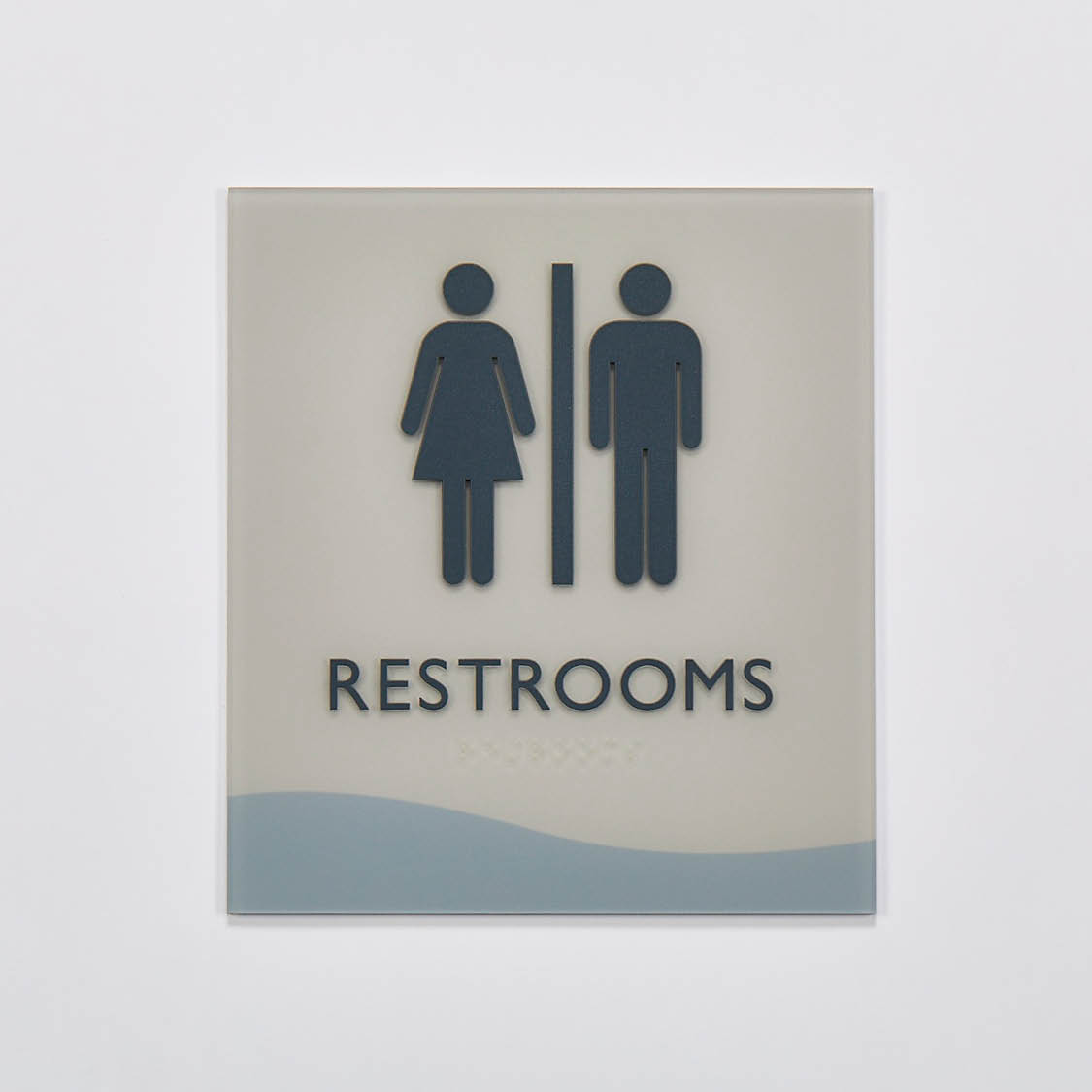
Navigating Compliance with ADA Signage

AIA/CES Provider Program #Inpro3400 - 1 LU/HSW
IDCEC Provider Program CEU-120422 - 0.1 CEU-HSW


The Americans with Disabilities Act (ADA) turned 30 years old in 2020.
Originally passed in 1990, the major revision to the Standards for Accessible Design (SAD) in 2010 gave the law more teeth – compliance is now required and enforceable on the federal level. Since the ADA views visual impairments as a disability covered under the Act, there are specific guidelines pertaining to signage products. The two categories covered under interior signage are Wall Mounted, Ceiling Mounted or Projected. Within the Wall Mounted category, Identification of permanent room signs, Directional signs, and Informational signs are covered. Within the Ceiling or Projected Mounted category, Directional and Information signs are covered.

Learning Objectives

  1. Obtain a better understanding of the Americans with Disabilities Act (ADA).
  2. Review ADA guidelines in terms of architectural signage.
  3. Explain the litigation risks to building owners for non-compliance.
  4. Learn about the 2010 SAD Standards and enforcement process.
  5. Identify the latest ADA signage material and manufacturing processes.

Box Lunch Seminar - 3

Fire-rated Expansion Joints: Employing Best Practices and Avoiding Field Problems

AIA/CES Provider Program # Inpro3100 - 1 LU/HSW

There is more to an expansion joint system than just the frame and covers. This AIA CES program deals with the life safety specifics of fire barriers, industry standards and testing. In addition, it covers installation
concerns, proper detailing of fire barriers, and the current state of joint system verification.

The goal is to limit liability and make sure your building and its occupants are not vulnerable to the hazards of fire, smoke and heat transfer.

Learning Objectives

  1. Obtain a high-level understanding of fire barriers as related to expansion joint systems.
  2. Review standard industry fire barrier types, ratings and testing protocols.
  3. Identify proper barrier detailing of common building conditions.
  4. Distinguish consistent fire barrier installations from those that leave the building vulnerable.

Box Lunch Seminar - 4

Giving Elevators a Lift

AIA CES Provider Program #Inpro 3200 – 1 LU/HSW
IDCEC Provider Program CEU-120441 - 0.1 CEU-HSW

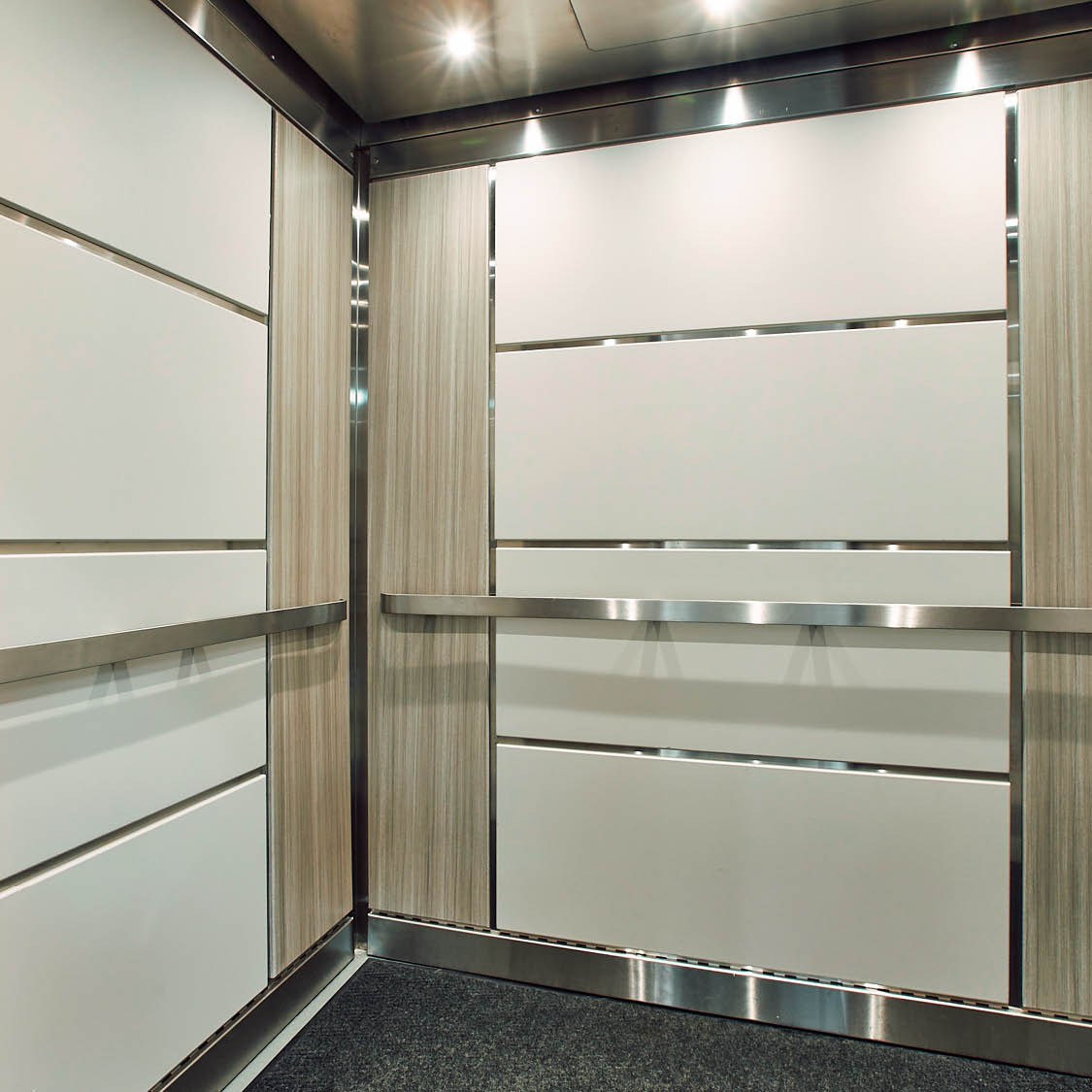
When one considers a major building renovation, it’s easy to focus on spaces like corridors, lobbies, offices, guest or patient rooms . . . in other words, all the public-facing spaces. We would argue that right after the
lobby, a building’s elevators are the very next public-facing space building occupants and visitors see. This course lays out the case for cab renovations as a part of an overall building interior update.

Learning Objectives

  1. Explore the factors driving the need for elevator cab interior renovation.
  2. Examine the various codes and standards impacting a cab renovation project.
  3. Identify the material and design options for cab walls, trims, hardware, ceilings and lighting.
  4. Assess the key installation considerations to reduce elevator downtime.

Box Lunch Seminar - 5

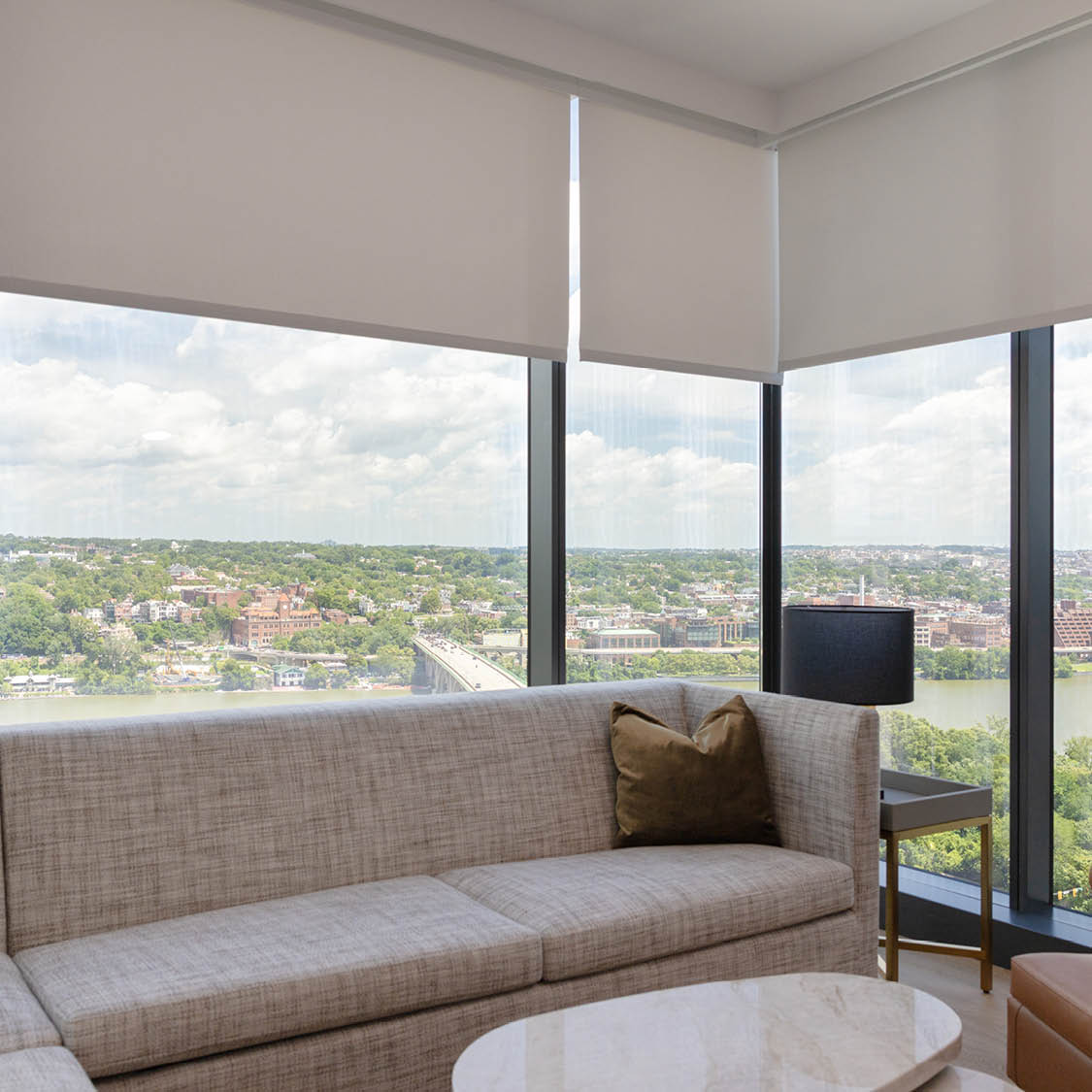
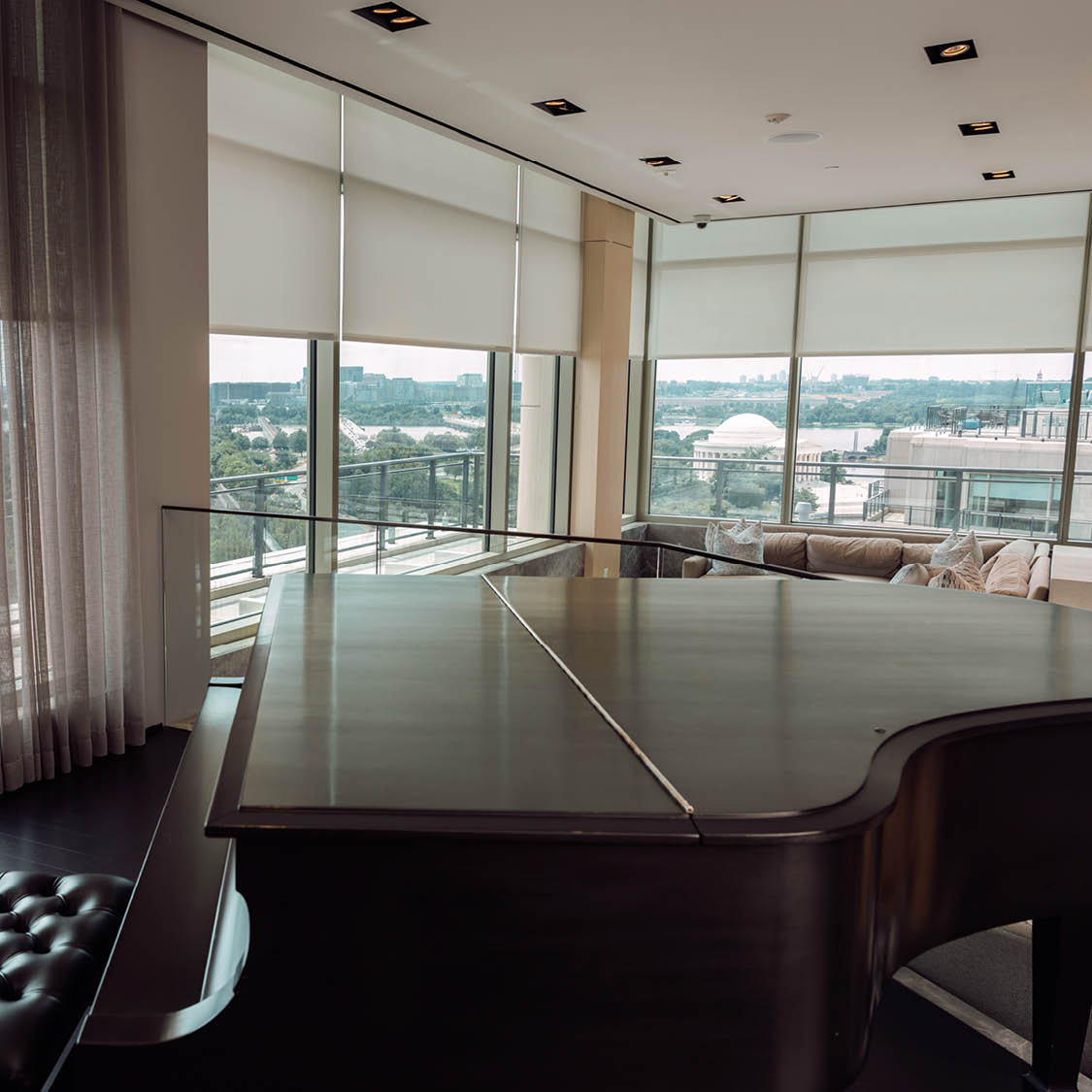
Exploring Commercial Window Treatments: Selection, Technologies + Aesthetics

AIA/CES Provider Program # Inpro 3000 - 1 LU/HSW
IDCEC Provider Program CEU-120452 - 0.1 CEU-HSW

Designers understand how difficult and time-consuming it is to research and choose the best architectural products for your projects. As an essential element in commercial design, window shades not only contribute to the aesthetic appeal of a space, but also play a significant role in managing natural light, enhancing privacy, and optimizing energy
efficiency. In this course, participants will delve into the diverse range of window shade options, learn about their functional attributes, and gain expertise in selecting and integrating window shades seamlessly into architectural and interior design projects to contribute to building occupant comfort.

Learning Objectives

  1. Recognize the impact of window shades on natural light, privacy, and energy efficiency.
  2. Analyze the stylistic elements and integration possibilities of
  3. window shades in different design contexts.
  4. Understand the performance attributes of shade materials, such as light control, and UV protection.
  5. Apply knowledge of window shade types, styles, and materials to select appropriate solutions for
  6. various architectural and interior design scenarios.

Box Lunch Seminar - 6

Built to Protect: Durable Wall Protection for Durable Buildings

AIA/CES Provider Program #Inpro3300 - 1 LU/HSW
IDCEC Provider Program CEU-120450 - 0.1 CEU-HSW

Science teaches us that matter moves from order to disorder. Amazingly, the same thing can happen to buildings! What once was sparkling and new can eventually slide into disrepair. Building owners could simply surrender to it, or they can proactively take a stand and fight for their buildings. They can choose products that protect the interior from damage in the first place. Architects and interior designers can also slow the hands of time by
thinking long term and specifying door and wall protection products . . . to not only preserve their design, but also as a service to building owners long after the ribbon is cut.

Learning Objectives

  1. Explore how the proper installation of wall protection products – when specified with standard wall construction options –
  2. determines their effectiveness in interior applications.
  3. Recognize when to specify wall cladding v. targeted wall protection.
  4. Examine the best-practice options for achieving effective and aesthetically pleasing interior protection.
  5. Discover strategies to successfully design for the long term by avoiding the trap of first-cost value engineering


Box Lunch Seminar - 7

Biophilic Art in Interior Design

AIA/CES Provider Program #Inpro3600 - 1 LU/HSW
IDCEC Provider Program CEU-122116 - 0.1 CEU-HSW

Learning Objectives

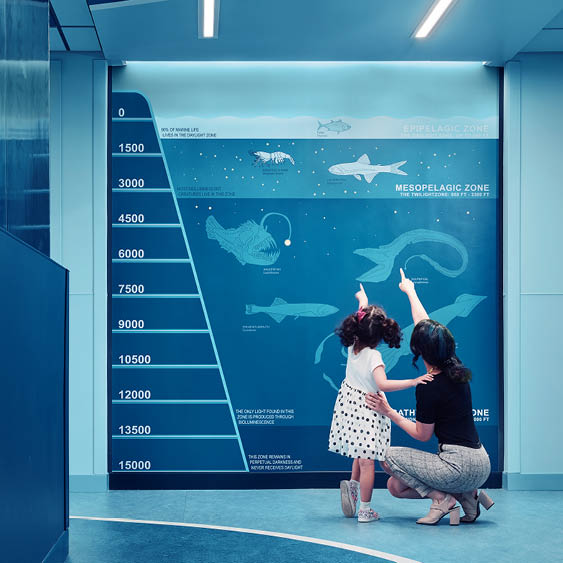
  1. Discover biophilia and neuroaesthetics, and how using natural elements and art in design can improve health, well-being, and performance.
  2. Recognize the Role of Art in Enhancing Well-being. Explore how various art styles and movements—along with their unique characteristics and historical significance—can be integrated into interior spaces to positively impact mental and emotional health.
  3. Equip Specifiers with Practical Tips for Art Implementation. Provide specifiers with insights to make informed decisions about art selection and implementation, ensuring that it aligns with design goals, enhances occupant satisfaction, and supports a biophilic design approach.
  4. Apply Art Guidelines and Specifications. Recognize specific requirements for incorporating art, including sizing, print capabilities, and finish and material options to ensure that art is effectively integrated into the design and meets the practical needs of the space.

By clicking submit, you consent to our use of your information to provide you with great info about events, products and services, as set forth in our Privacy Policy.

Hey there! How can I help you? 👋