Introduction
When it comes to specifying architectural products – particularly expansion joint systems – for buildings within seismic zones, it's important to recognize that designing for this specific movement is inherently region-specific. The consideration of the geological context of each location, particularly areas along the Pacific tectonic plate boundaries, will determine the best seismic-capable options for designers.
When we refer to "seismic-capable" systems, we're essentially talking about systems designed to handle movement in three dimensions. This isn't just about accommodating seismic shifts, but also considering factors like windsway in tall buildings. This means that structures must be able to cope with expansion-compression, lateral shear, and vertical deflection (out-of-plane movement).
Here is where seismic expansion joints come into play. These joints are strategically placed within the building's framework to allow controlled movement and absorb the energy released during an earthquake. They prevent undue stress on the structure, ensuring that it remains standing even in the face of significant seismic events.
But first, understanding the three fundamental types of movement is crucial for creating structures that can withstand the dynamic forces of seismic activity:
Expansion-Compression Movement
Expansion-compression movement is the linear extension and contraction of materials along a single axis. This type of movement occurs when a building or structure expands and contracts due to temperature changes or other environmental factors. In seismic design, expansion-compression movement is essential to prevent the undue stress and potential damage that can result from thermal expansion and contraction.
Seismic expansion joints are strategically placed to accommodate this type of movement, allowing the building components to shift without causing structural issues.
Lateral Shear Movement
Lateral shear movement involves horizontal displacement of building components perpendicular to their axis. During an earthquake, the ground shaking can induce lateral forces that cause buildings to sway laterally. This side-to-side movement can lead to significant stresses on walls, floors, and other structural elements.
Seismic expansion joints designed to accommodate lateral shear movement allow the building to shift without causing structural damage.
Vertical Deflection (Out-of-Plane) Movement
Vertical deflection, also known as out-of-plane movement, refers to the upward or downward bending or displacement of building components perpendicular to their axis. In seismic events, vertical forces can lead to this type of movement, potentially resulting in structural misalignment or damage.
Seismic expansion joints designed to accommodate vertical deflection ensure that the building components can move freely in response to these forces without compromising the overall structural integrity. This is especially important in structures with complex geometries or irregular load distributions.
Now, let’s explore different types of seismic-capable systems for various applications
These systems are crucial for floors, walls, and exteriors. They are engineered to allow for controlled movement while maintaining the structural integrity of the building. This is especially important in seismic-prone regions, as it helps prevent catastrophic failures during an earthquake.
Transitions and Movement Accommodation
In seismic projects, transitions occur where different building elements meet, such as walls intersecting with floors or columns meeting beams. These junctures are vulnerable points where shear forces are transmitted during an earthquake. Failing to account for these forces can lead to cracking, misalignment, or even separation of components, compromising the coverplate system and potentially impeding occupant egress from the building.
Rather than "bookending" covers and locking them in place, which could lead to coverplate failure, it is better to design "slip" transitions that create clearance to allow for the shear movement.
This is where thoughtful transition detailing comes into play.
Flooring Systems and Dynamic Movement
Flooring systems in commercial and industrial buildings are subjected to constant movement due to foot traffic, temperature fluctuations, and settling. You can read more about heavy equipment and expansion joints here.
But in seismic-prone areas, the challenge is to design flooring systems that can not only handle everyday stresses but also the sudden and forceful shifts caused by earthquakes. Seismic expansion joints integrated into flooring designs provide flexibility and prevent cracking or buckling. This ensures that the flooring maintains its functionality while contributing to the overall building's seismic resilience.
Walls and Lateral Shear
Walls are another critical component affected by seismic forces, particularly lateral shear. Lateral shear occurs when a building sways horizontally during an earthquake. Without proper seismic expansion joints, walls can crack, shift, and even separate from the main structure. By incorporating these joints into wall designs, architects can ensure that walls remain intact and aligned with the building’s movement.
Balancing Safety and Practicality
Ultimately, the applications of seismic expansion joint movement highlight the delicate balance between safety and practicality. Designing for seismic resilience involves more than just accommodating movement; it’s about ensuring that buildings can continue to function after an earthquake, safeguarding occupants and preserving property. Seismic expansion joints serve as the invisible heroes of construction, allowing buildings to flex and absorb energy while maintaining their structural integrity. Architects, engineers, and construction professionals must navigate the intricate landscape of seismic design, taking into account regional seismicity, movement types, and the specific needs of each building project.
Concerns + Considerations for Designing 100%+- Movement
Designing for seismic scenarios that involve 100% or more movement introduces a set of unique concerns. While it might seem prudent to plan for the worst-case scenario, this approach can actually lead to limitations and challenges in the design process. One of the primary concerns is the reduction in available product options. When designing for extreme movement, the pool of suitable materials and systems significantly narrows; and with this reduction in product options, the costs increase dramatically as well. The range of expansion joint solutions capable of accommodating such drastic displacement becomes limited, potentially impacting the flexibility of design choices.
Beyond product limitations, the ramifications of excessive seismic movement extend to the internal components of the expansion joint. In scenarios where seismic events induce extreme displacement, there's a real risk of crushing any components housed within the throat of the joint.
This could include waterproofing membranes, fire protection systems, and other essential building elements. The substantial movement could compromise the integrity of these components, rendering them ineffective. It's crucial to strike a balance between designing for seismic resilience, and ensuring that the internal components can withstand the forces they might experience.
Additionally, the challenges posed by designing for 100%+- seismic movement can impact the overall longevity of the structure. Over time, repeated seismic events can take a toll on both the expansion joint systems and the building itself. The extreme movement strains not only the materials and components but also the connections and fasteners that hold the building together. This wear and tear could potentially lead to accelerated maintenance needs, reduced building lifespan, and increased costs for repairs and replacements.
Therefore, while it's essential to account for seismic events, an overly cautious approach that targets 100%+- movement must carefully weigh the trade-offs between resilience, practicality, long-term sustainability, and less-than-ideal product solutions and added costs.
In conclusion, seismic expansion joint movement is a complex and region-specific aspect of construction that demands careful consideration. Designing for seismic activity involves understanding the unique challenges posed by different geographic locations, accommodating various types of movement, and selecting appropriate systems that balance safety and practicality. By focusing on the specific needs of each seismic zone and implementing thoughtful transition detailing, architects and engineers can create structures that are resilient and capable of withstanding the forces of nature.
Fortunately, the world’s architects and building designers aren’t alone
At Inpro, our expansion joint experts have over 150 years of combined experience, helping some of the most iconic buildings move all over the world. With an expertly-engineered list of proven products, our team can help spec and diagnose the right solution for your next project.
501 Series Pan System
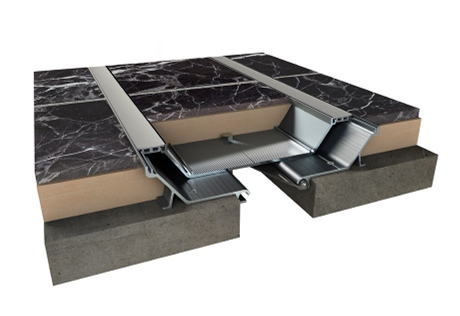
The 501 floor expansion joint system is a pan system designed for generous thermal and seismic movement requirements and narrow sight lines that minimize aesthetic disruption to flooring finishes.
- Install Condition: Floor/Floor, Floor/Wall
- Movement: +/- 50% (100% Total)
- Joint Width: 2"-24" (50mm-600mm)
353 Series Recessed Flush Mount System
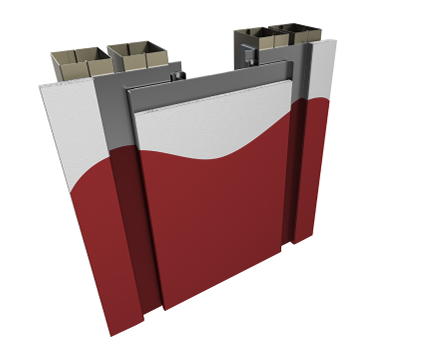
The 353 recessed mount, wall + ceiling expansion joint system can be customized for +/- 100% lateral shear. This pan system can be infilled to match your wall and ceiling finish, while protecting your building from large thermal and seismic movements.
- Install condition: Wall/Wall, Wall/Corner
- Movement: +/- 100%
- Joint width: 6"-24" (150mm - 600mm)
616 Series Flush Mount Pleated Seal System
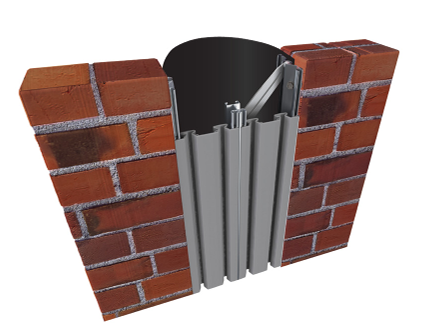
The 616 wall + ceiling expansion joint system can be used for interior and exterior applications. This system seamlessly integrates into any building façade and uses one of the thickest seals in the industry to create crisp, clear lines and resist waviness.
- Install condition: Wall/Wall, Ceiling/Ceiling, Wall/Corner, Wall/Ceiling
- Movement: +/- 50%
- Joint Width: 8"-24"