Introduction

Environmental Services and Maintenance staff at medical facilities and clinics are weighing new options in privacy curtains:
- Switch to Disposables
- Stick with Washable curtains
- Employ some mix of both
As with any decision, there are always pros and cons. So, let's lay out some factors to consider.
Long-term Performance
This one is a no-brainer: Washable fabric curtains just last longer. When properly laundered per manufacturer’s instructions, fabric curtains can give years of good service. Specialty fabrics with stain resistance and liquid repellency can extend useful life even further.
Antimicrobial Technology
Both washable and disposable curtains can employ antimicrobials to help maintain a clean environment.
Décor & Aesthetics
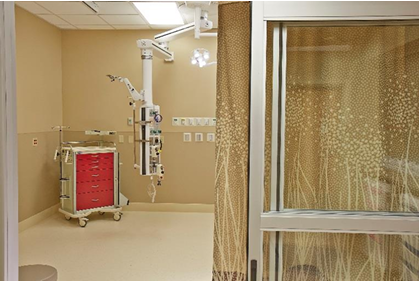
On this one, we give a big plus to washable fabric curtains for two reasons:
- Literally millions of colorway, pattern and weave options.
- Fabric simply has a better feel, called “hand”
Yes, disposable curtains have started to broaden their pattern options, but it will likely take a decade or more to even hope of coming close to the array of options fabric offers.
Change-out Efficiencies
Both types of curtains can employ snaps and/or removable panels to speed change-outs. The ability to simply swap-out a soiled panel reduces laundering needs for washables, or reduces disposable inventory use. Such ease of changeability also reduces the workload somewhat for medical and maintenance staff.
Now, let’s delve into the two, nitty-gritty factors in the Washable vs. Disposable Curtain debate.
Sustainability
The factors to consider here are:
Laundering impacts of Washables – energy use in heating water and running equipment, soaps and chemicals used, and waste water release back into waterways or ground water versus Greater and more frequent landfill volume with Disposables. We also point out that smart fabric selection can help reduce laundering costs, and that disposable curtains can be recycled.
Cost
Here's the biggie! Which one costs more? That's the bottom-line question. So, let's dig into the numbers. Following are our variables:
| Frequency of laundering: | 6 months | Per unit cost of Disposables: | $25.00 |
| Total # of curtains: | 250 | Frequency of Disposable change-outs: | 3 months |
| Per-curtain laundry rate: | $10.00 | # of years to replace fabric curtains: | 7 years |
| Staff hourly rate for change-out: | $28.00 |
Here's what we calculated:
| Fabric | Disposable | |
|---|---|---|
| Curtain purchase cost | $ 56,250 | $ 25,000 |
| Annual laundering cost | $ 5,000 | $ - |
| Staff cost for curtain change | $ 3,500 | $ 7,000 |
| Fabric | Disposable | |
|---|---|---|
| Estimated cost Year One | $ 64,750 | $ 32,000 |
| Estimated cost Subsequent Yrs | $ 8,500 | $ 32,000 |
| Total cost based on life of curtain | $ 115,750 | $ 224,000 |
| Total annual cost per curtain | $ 37 | $ 128 |
Based on the variables, Washable curtains cost 70% less per curtain than disposables on an annual basis.
So, are we saying it's Game Over for Disposable curtains? No, not at all. Instead, we think what many facilities will likely do is to consider this final factor:
Placement
It will likely work out that areas or departments that change curtains frequently – as in, multiple times per day – are great candidates for disposables. Think an Emergency Department with a higher soiling risk and more-frequent patient and space turnover.
Conversely, washable fabric curtains are a more-logical fit for areas that don’t require frequent change outs. Think inpatient spaces, exam rooms and diagnostic spaces.
Conclusion
Based on the math, disposable privacy curtains over time can cost as much as 70% more than washable curtains. However, disposable curtains may be a better alternative in spaces where frequent change-outs are the norm.
In the end, we believe hospitals and other medical facilities will likely employ some mix of both types of privacy curtains.