Cleanliness is one of the most important considerations for healthcare facility designers and managers, driving many of the choices that they make. With the right selections, a clean facility can also be a functional, beautiful facility that benefits patients, staff, and the environment - here’s how to make it happen.
How to Design a Safe and Attractive Healthcare Facility
The first step in designing a sanitary, safe healthcare environment is to analyze the way that the space will be used, and how to prevent potential problems before they happen. In regard to cleanliness, most bacteria are actually transmitted through human touch, so concentrating on surfaces that get touched often is where you should start. Questions to consider as a part of your initial design process include:
- How do patients enter and exit the area?
- How do providers enter and exit the area?
- Where will hand hygiene be performed?
- What activities are usually done in each area?
- What surfaces are touched during those activities?
- What cleaning and maintenance will need to be done in this area?
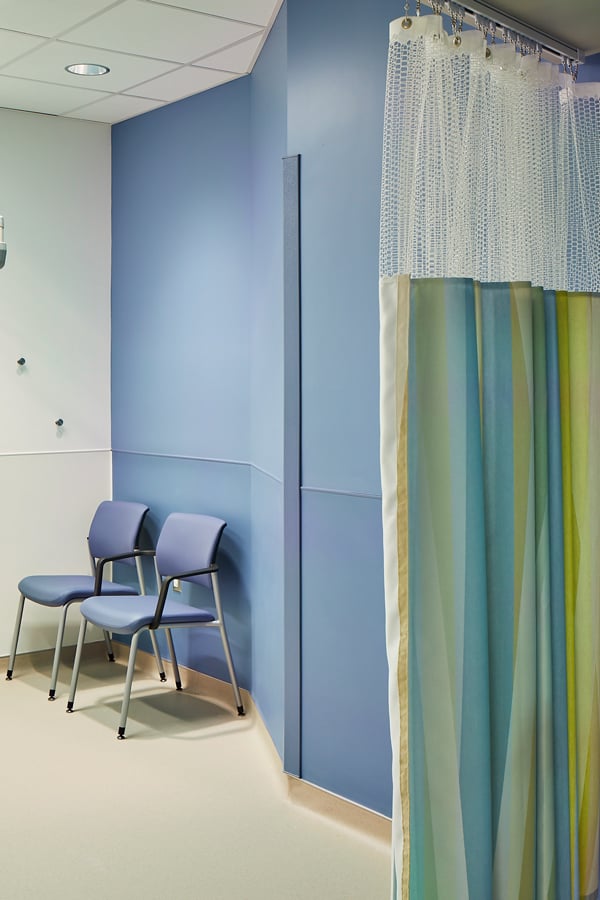
Once you have the typical use of the space planned out, it’s time to think about how to protect the space, from both bacterial transmission and physical destruction. In order to stay clean and attractive, healthcare environments need to be designed to withstand not just biological contamination but also damage from equipment like carts, gurneys, wheelchairs, and more. Products like corner guards, wall cladding, and railings might not be the first design elements you notice, but they go a long way toward preserving the overall appearance (and the overall impression of) your facility.
It’s important to remember that impressions matter. Healthcare environments need to be both functional and attractive in order to achieve their goals in a competitive industry.
Not only do you need to maintain an environment that looks clean, but one that is clean as well. You know?
The design you create and materials you choose need to be functional while also offering a perception of cleanliness that is essential to patient (and even employee) satisfaction.
Selecting the right surface materials for your healthcare facility can save significant maintenance time and improve surface durability and cleanliness. Learn how.
Four Essential Considerations When Selecting Products for a Healthcare Setting
Now that you have laid out your plans and understand the reasons why you need to invest carefully in the site, it’s time to start choosing specific materials. Here are four considerations to keep in mind while you evaluate your options.
1. Cleaning Durability
Healthcare environments require frequent cleaning, often with very strong and potentially damaging products like hydrogen peroxide and even bleach. The most important goal is always to keep the environment clean - eliminating bad bacteria and microbes before another patient is harmed. Fighting this invisible enemy requires strong weapons, and the materials you use to design your environment need to be able to stand up to those chemicals and do it repeatedly.
2. Material Composition
In addition to being able to withstand frequent cleaning, your surfaces, fabrics, and other selections should ideally be resistant - or even repellent - to bacteria. Harmful bacteria have the potential to colonize almost every surface, but choosing non-porous materials can make surfaces inhospitable to these nasty bugs, offering a passive antimicrobial benefit.
These non-porous surfaces work by eliminating access to the nourishment bacteria need to survive, and by making it easier to wipe them away during cleaning. There are even fabrics that are treated to become actively antimicrobial, killing any bacteria that comes into contact with its surface.
Watch how Inpro’s non-porous surfaces stand up to the toughest disinfectants.
Healthcare workers and the surfaces they are required to keep clean are being put to the ultimate test. Download our infographic on How to Combat Contamination Hot Zones in Healthcare Facilities here.
For environments that require 24/7 maintenance, count on Shield by Panaz for 24/7 protection. Request our Shield brochure here.
3. The Healing Power of Great Design
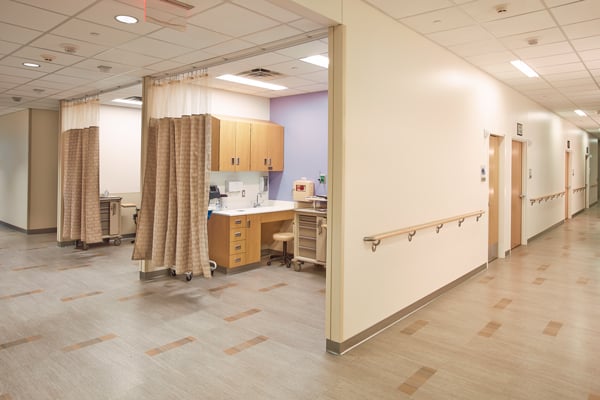
In addition to the functional and scientific features that design elements may offer, they also need to have a look that matches the desired vision and plan. Products for the healthcare environment need to be both functional and attractive. The days of ugly, industrial hospitals are gone, with designers today seeking inspiration from areas like patient’s own homes, and the hospitality industry.
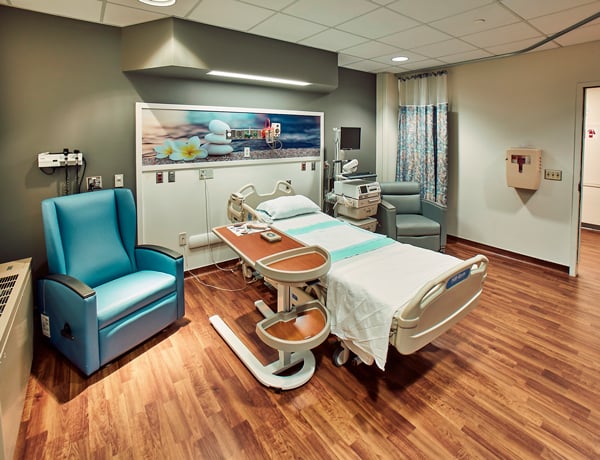
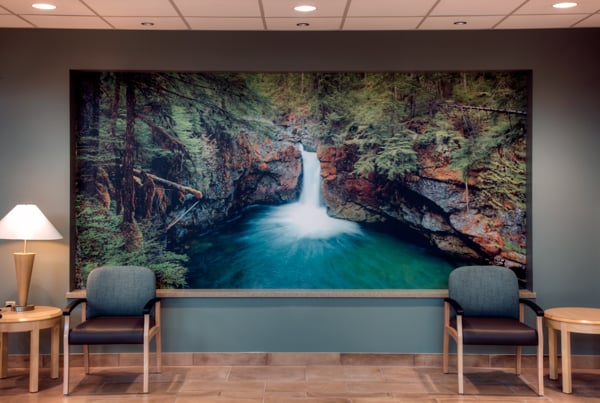
Healthcare providers want their patients to be comfortable, and this may require bringing in colors, textures, patterns, and images that incorporate botanicals and other elements of nature. This design movement, known as biophilia, uses design to capture the calming, soothing and restorative effect that nature and being outdoors has on the human body and mind.
Neuroscience has proven that even simply seeing a photo of a waterfall, or botanical patterns on fabrics can have a similar effect - an effect that can have a tremendous impact on someone who may be facing a difficult moment in their life, or in the life of a loved one.
Walls are one of the largest elements of your interiors. Give them a purpose and expand their longevity with Aspex® Printed Wall Protection. Click here to request the Aspex Printed Wall Protection brochure!
4. Environmental Impact
In addition to being functional and beautiful, many industries are increasingly seeking materials that will have the least amount of impact possible on the environment. From choosing low VOC products with minimal off-gassing to making sure that your selections are LEED-certified, there are many ways to pick products that are more sustainable.
Antimicrobial materials come with an additional layer of potential environmental impact. These materials, once in the landfill, can continue to leach antibacterial chemicals, potentially killing beneficial bacteria and even entering the water supply. Choosing antimicrobial products that work via a mechanical (rather than chemical) killing agent, as well as products that are non-leaching can be great ways to lessen your impact.
The Right Choices for the Best Possible Outcomes
When it comes to designing and maintaining your hospital, clinic, or other medical facilities, the materials you choose can have a huge impact on both the clinical and emotional outcomes for your patients, their loved ones, and even your staff. By partnering with the experts at Inpro, you will have access to a wealth of data and experience that can be used to skillfully guide your selections.